{{ ch.n }}
{{ ch.title }}
{{ ch.kicker }}
{{ ch.note }}
{{ ch.trioLabel }}
 N0VA
media · bklyn
N0VA
media · bklyn
Ten years of building virtual reality in Brooklyn — the rigs, the green screens, the late nights, the people. [ add your intro copy ]
{{ ch.kicker }}
The studio sits inside a Civil-War-era brick warehouse on the Erie Basin. The neighborhood around it has been a harbor, a hazard and a muse for four centuries.
Dutch settlers named it in 1636 for the red clay soil and the hook of land bending into the harbor — one of the first corners of Brooklyn they mapped.
In the 1860s, merchant William Beard carved the Erie Basin out of the harbor — an artificial port walled off with landfill and the stone ballast dropped by arriving ships. Along its edge rose a row of heavy brick stores to hold the grain, sugar and cargo moving through one of the busiest waterfronts in America.
Those buildings — the Red Hook Stores on Van Brunt Street — still stand. Their vaulted brick, iron shutters and arched windows are the bones of the studio today: the same stone walls behind every shoot.
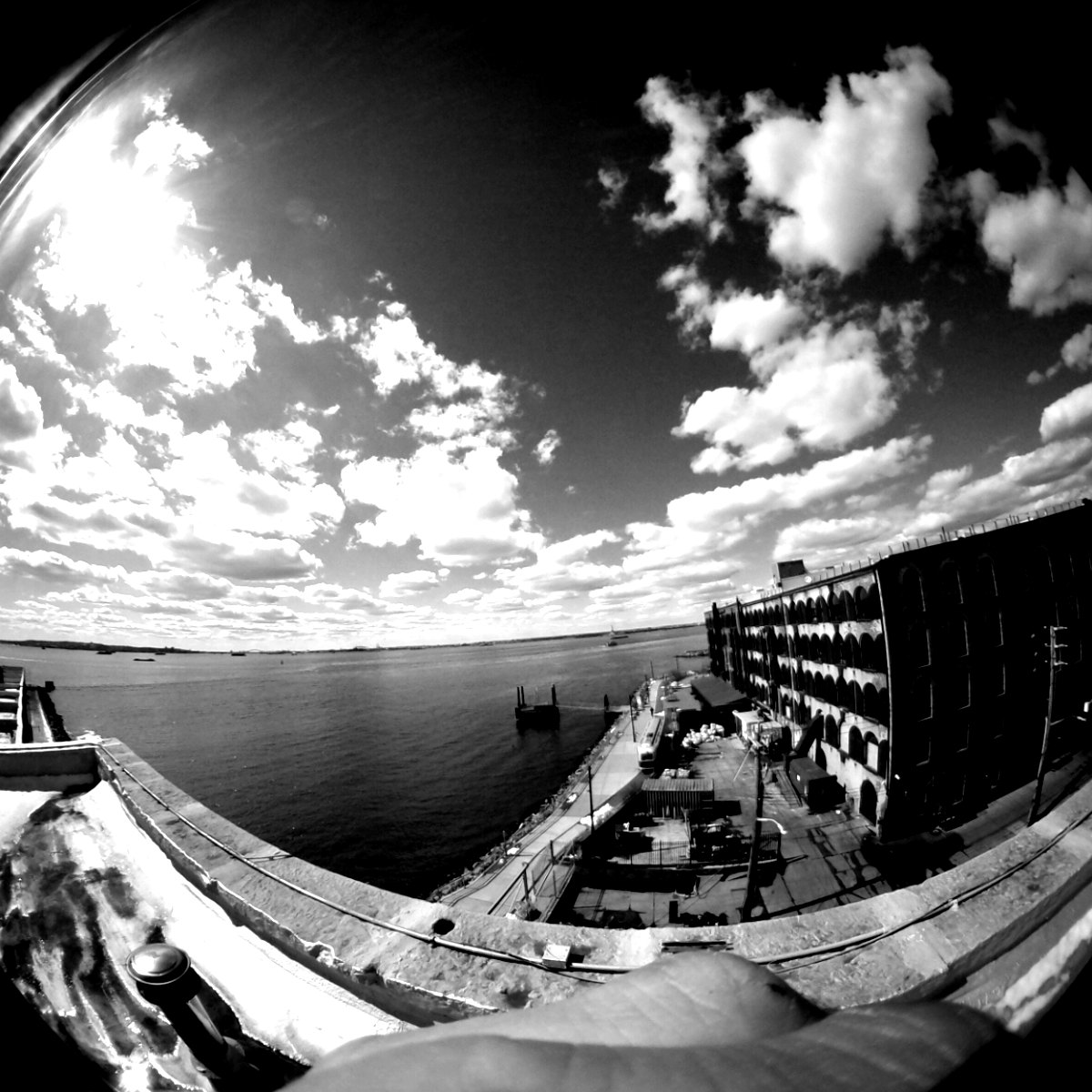
H.P. Lovecraft set his 1925 tale in these very streets during his uneasy Brooklyn years — the brick warehouses and dark waterline standing in for dread. The Beard Street row (right) still faces the same harbor.
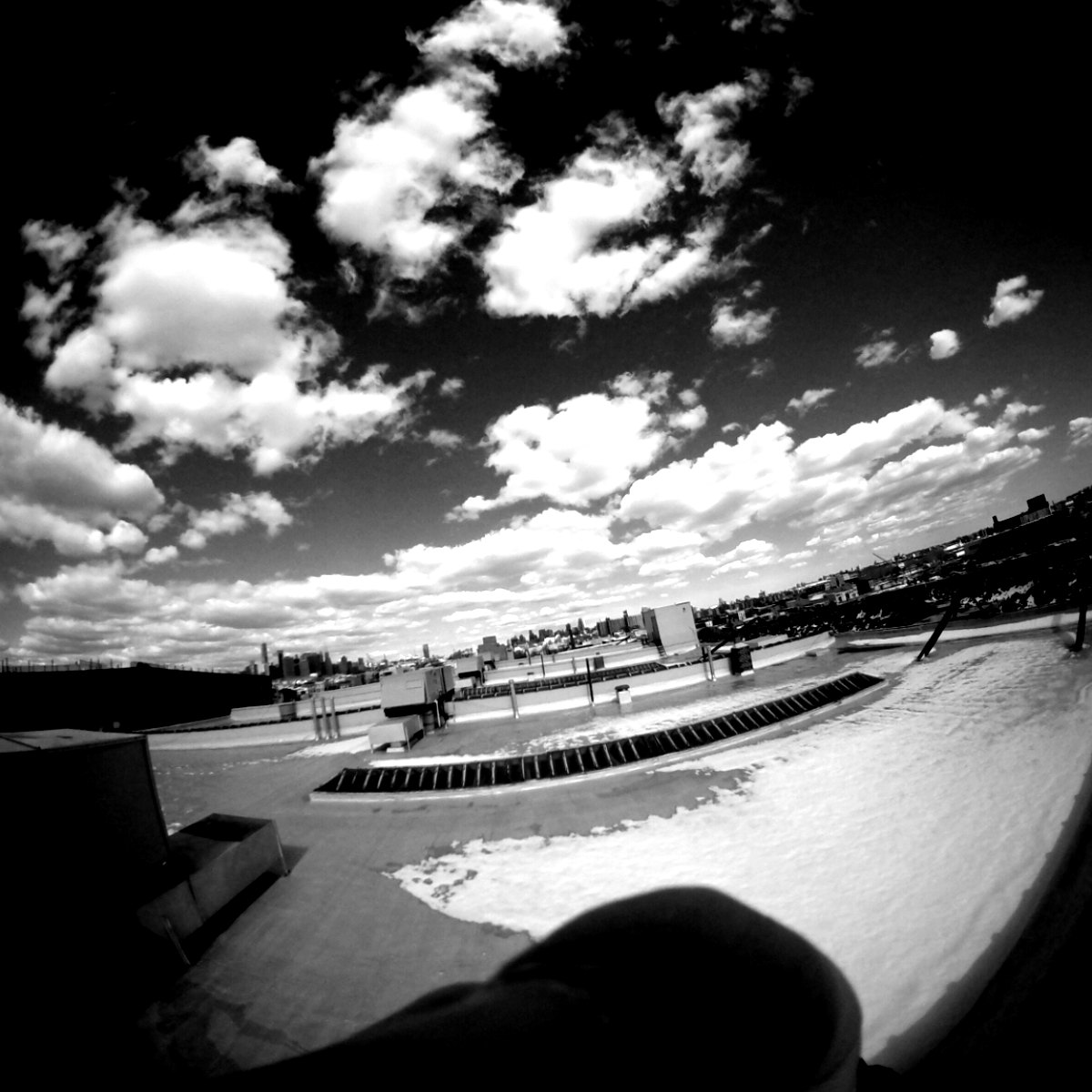
Hubert Selby Jr.’s Last Exit to Brooklyn and Arthur Miller’s A View from the Bridge both pulled their dockside drama from Red Hook’s longshoremen — the working harbor just past this rooftop.
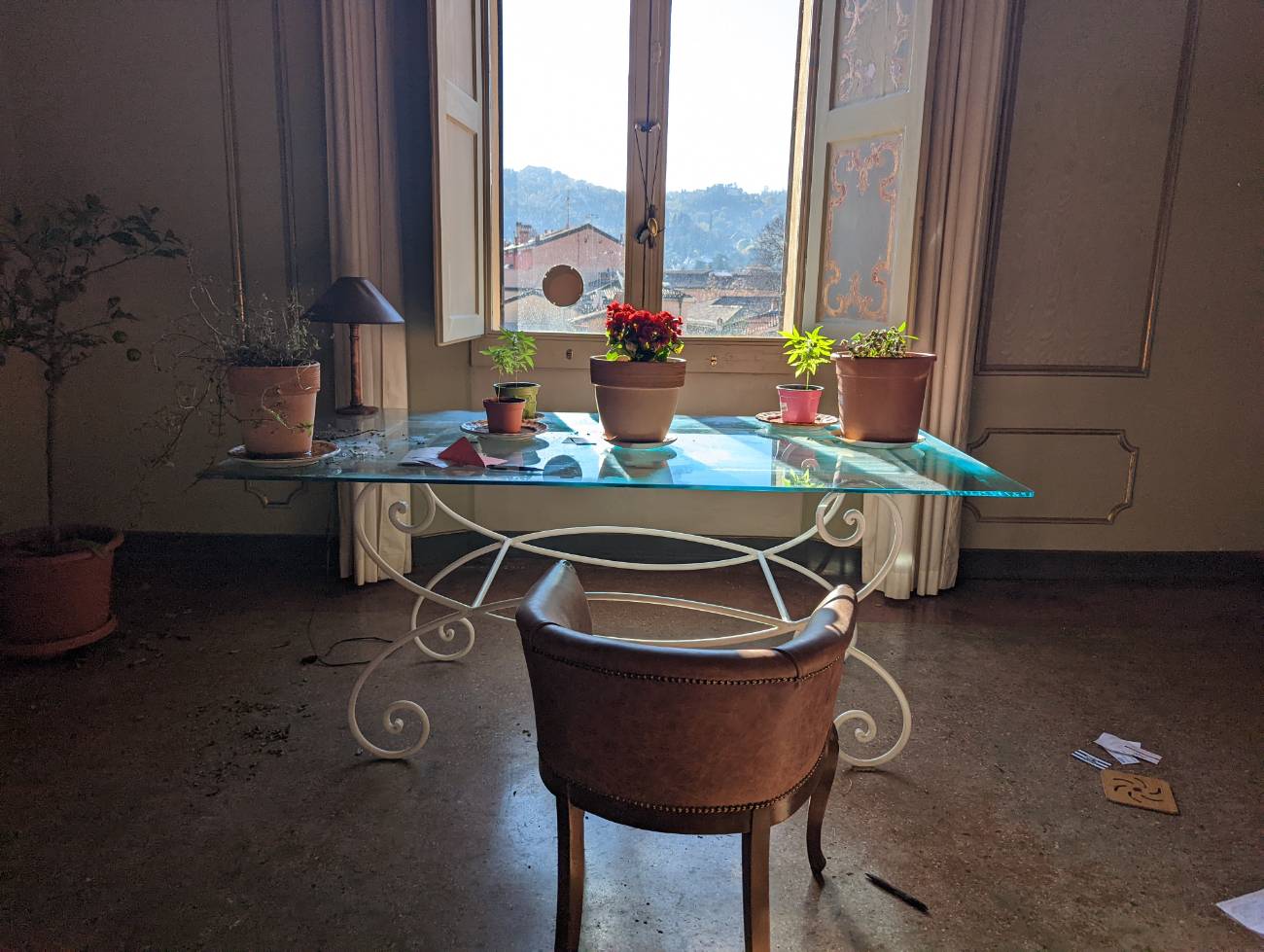
A frescoed room on Via Barberia — where N0va's design, motion and 3D work gets made, under four centuries of Bolognese brick and painted ceilings.
Across the Atlantic, a second room under the porticoes of Bologna — where the design, motion and 3D work takes shape, a few steps from Piazza Maggiore on Via Barberia.
The Italian studio sits inside the old town's ring of porticoes — vaulted ceilings, tall windows and four centuries of brick, a short walk from the two towers and Piazza Maggiore.
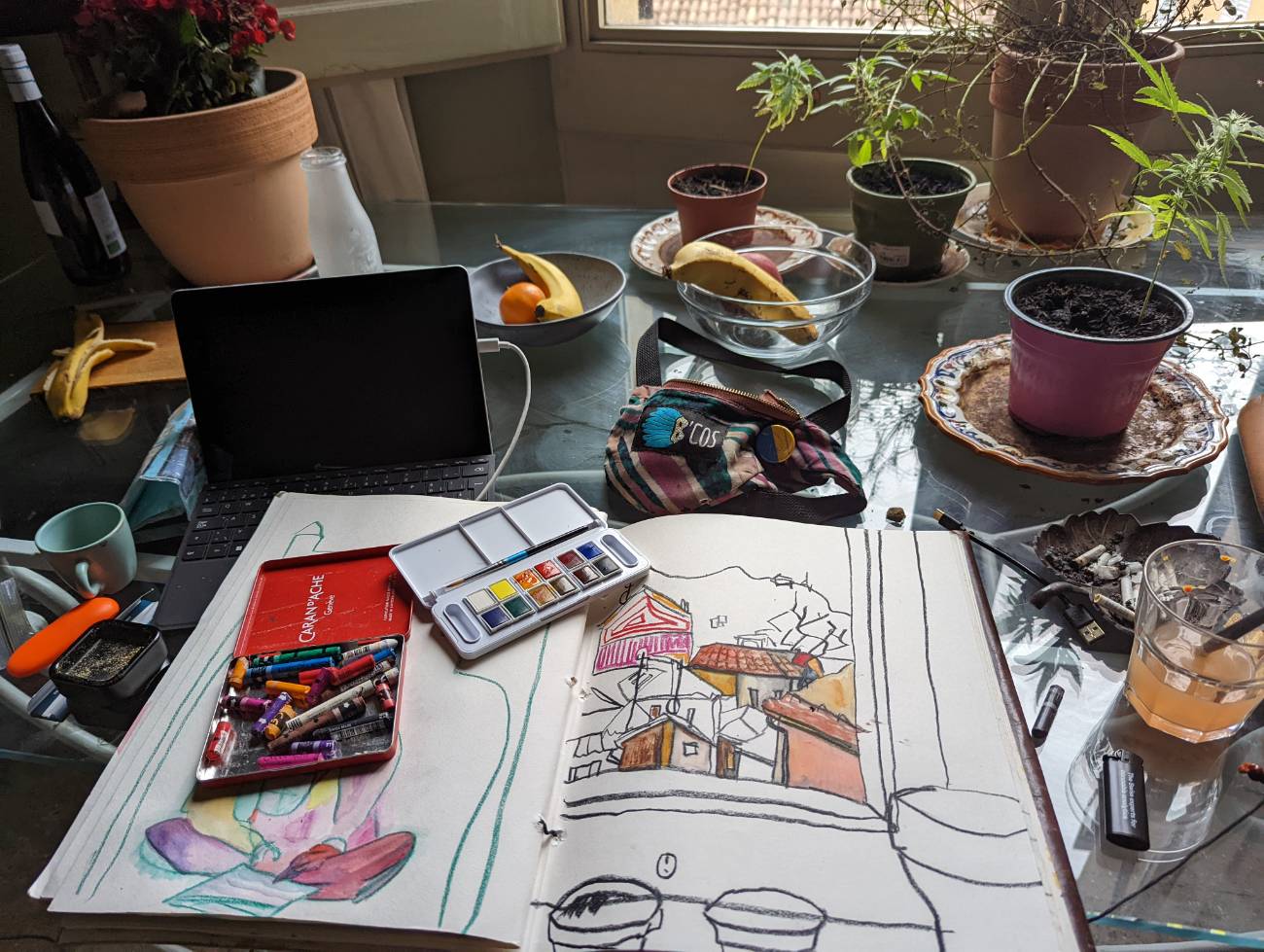
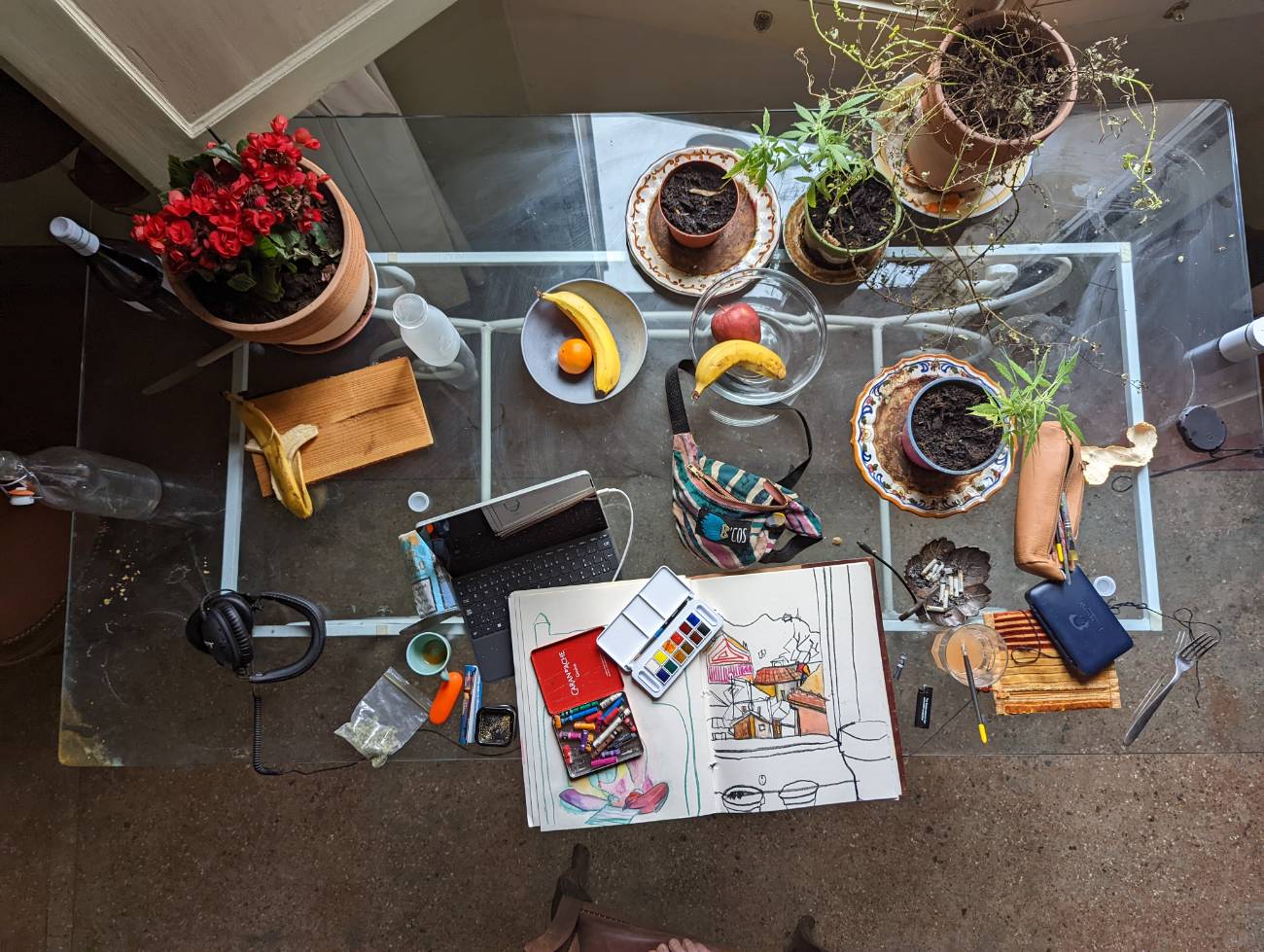
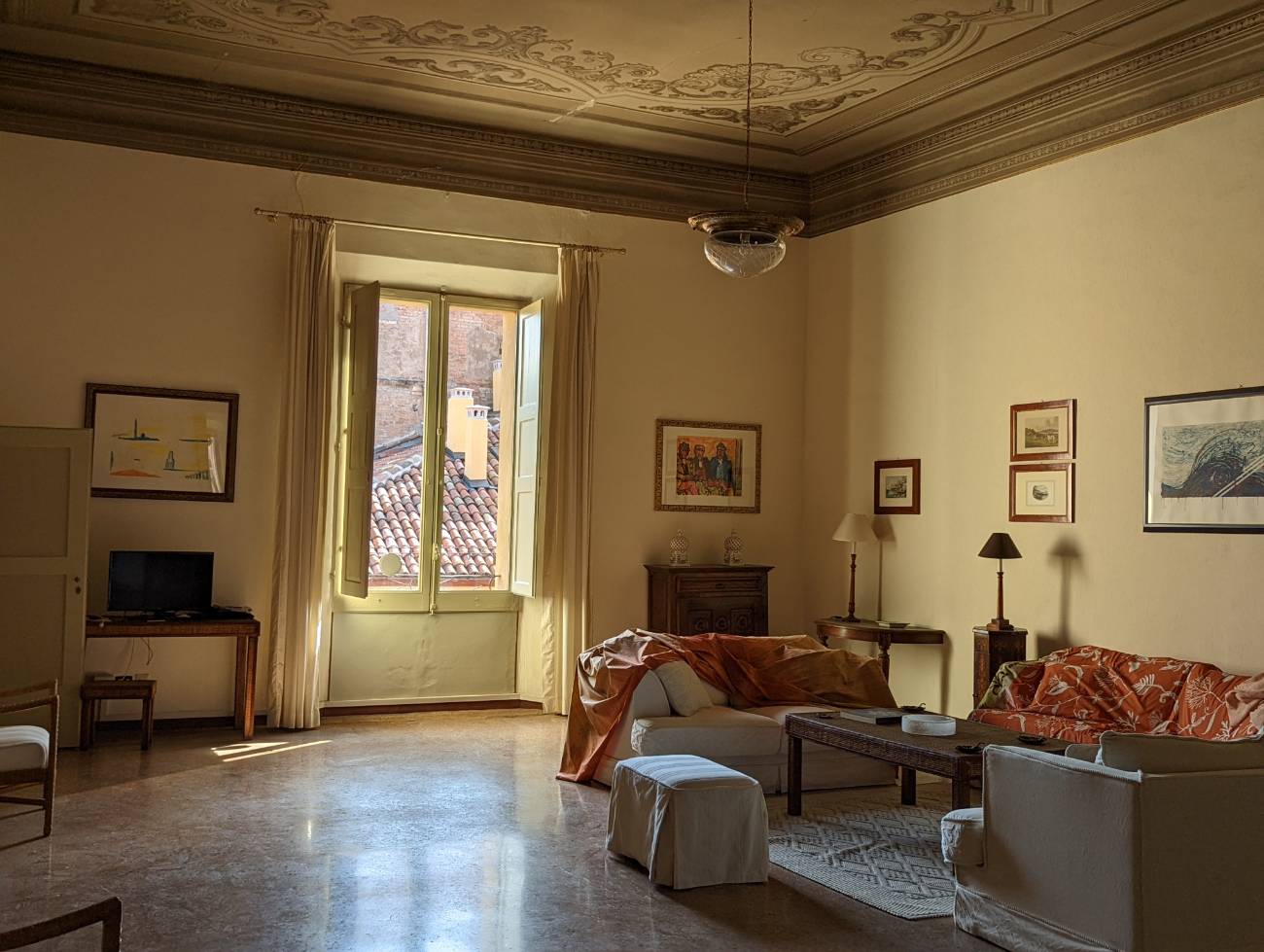
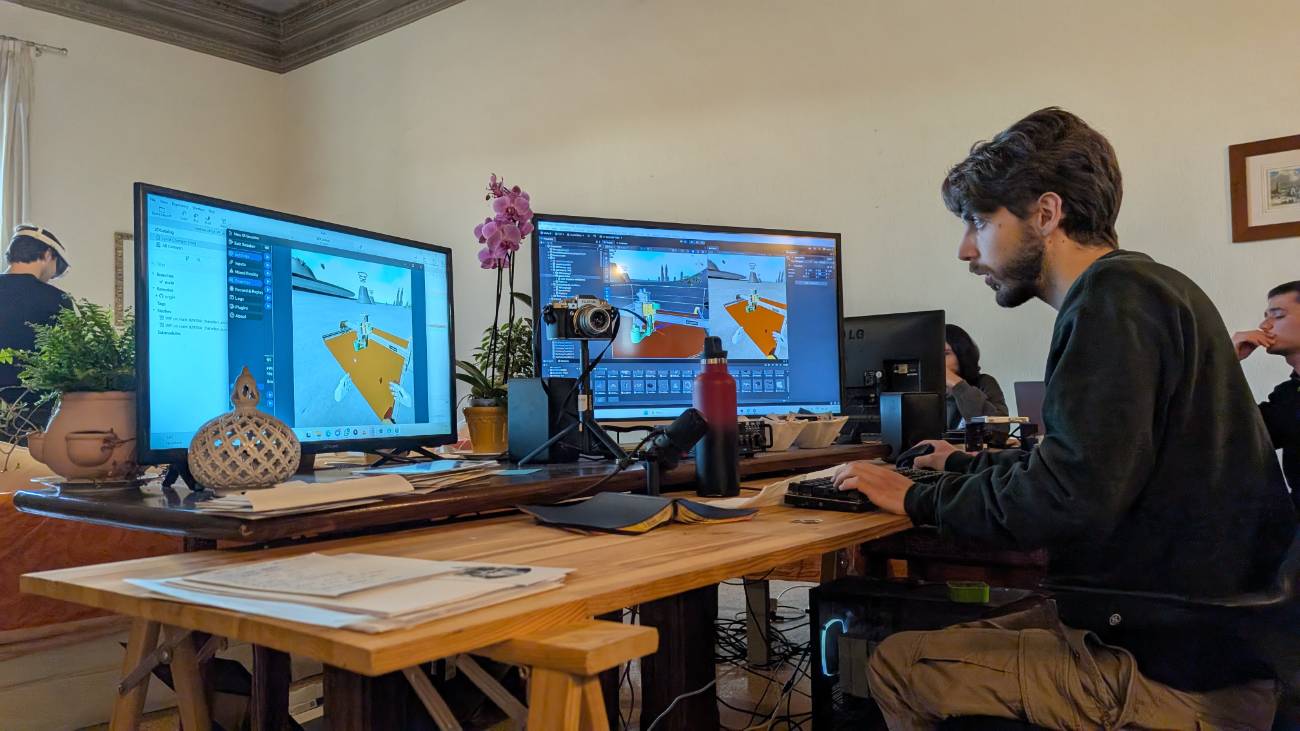
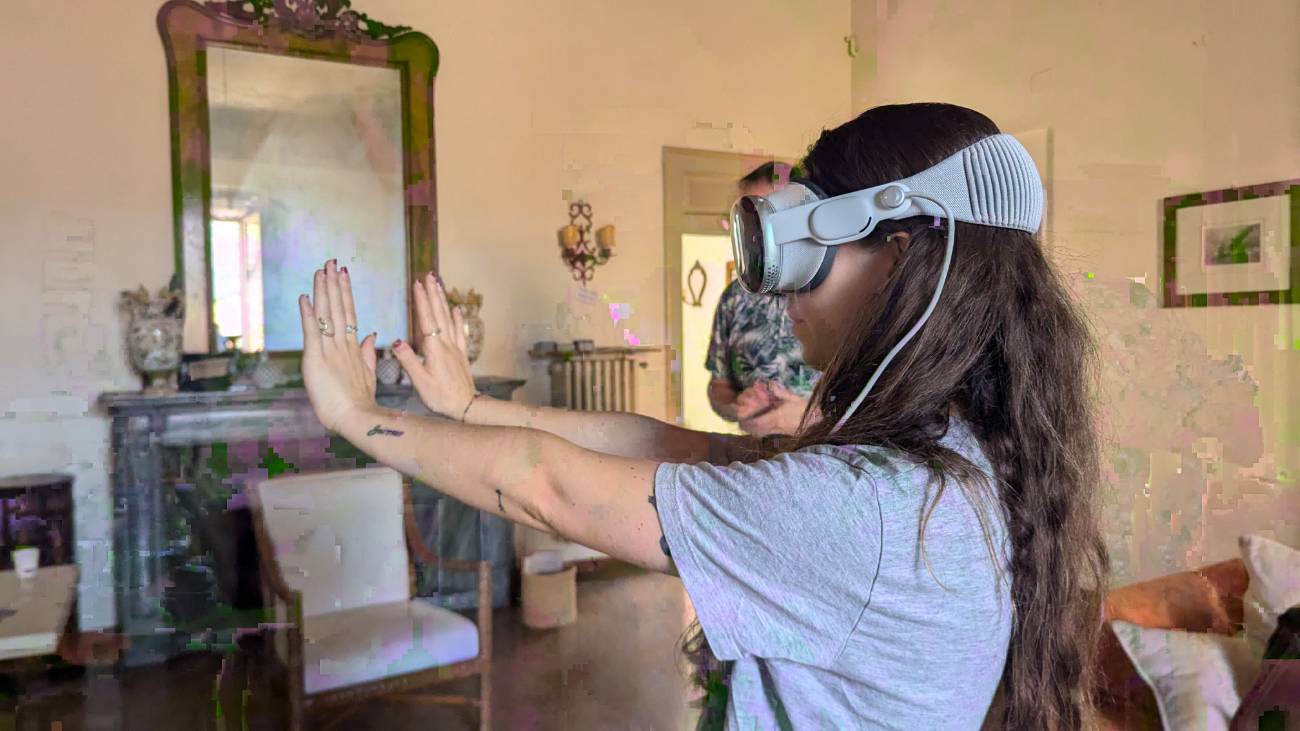
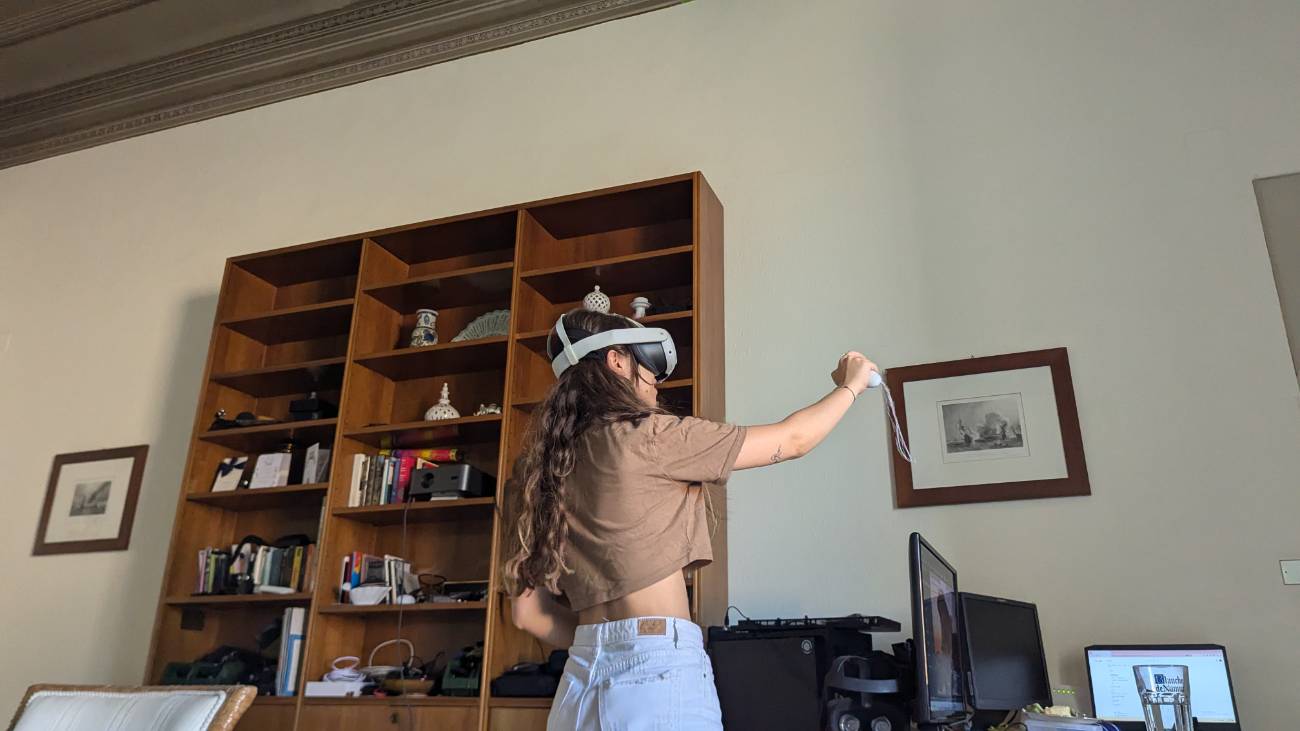
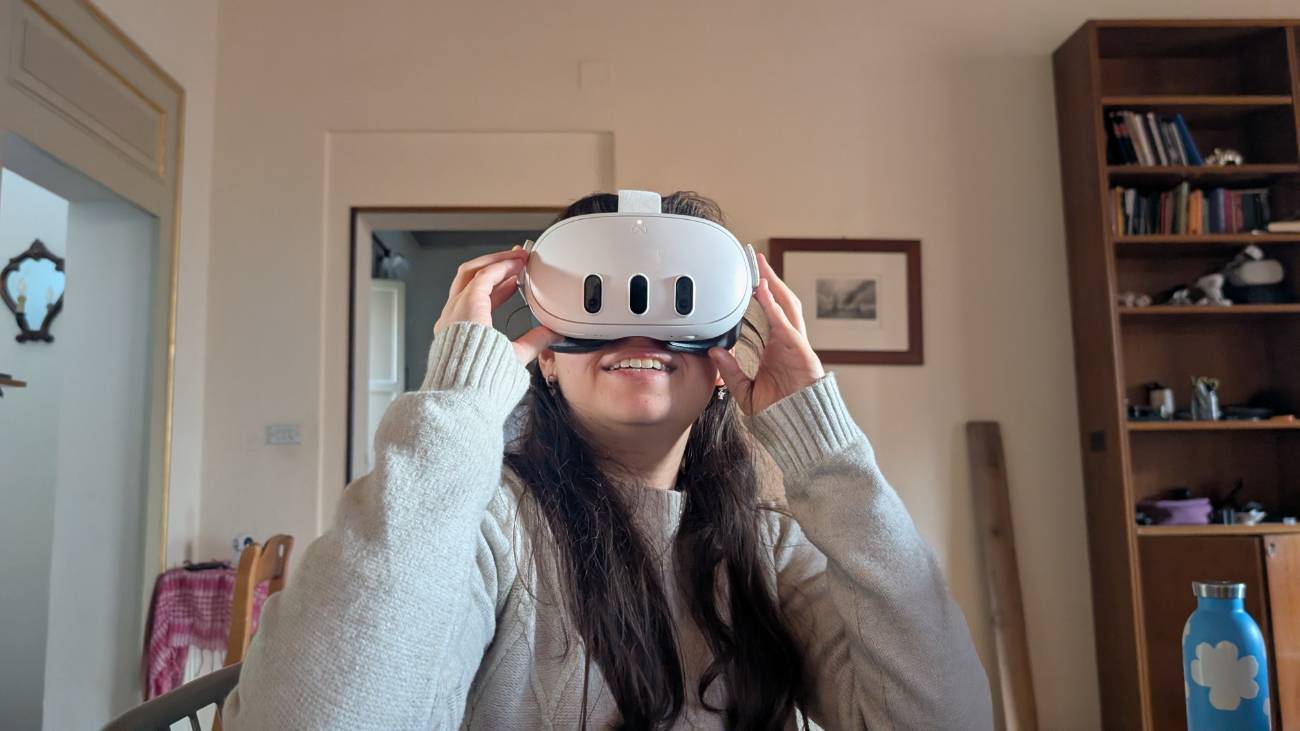
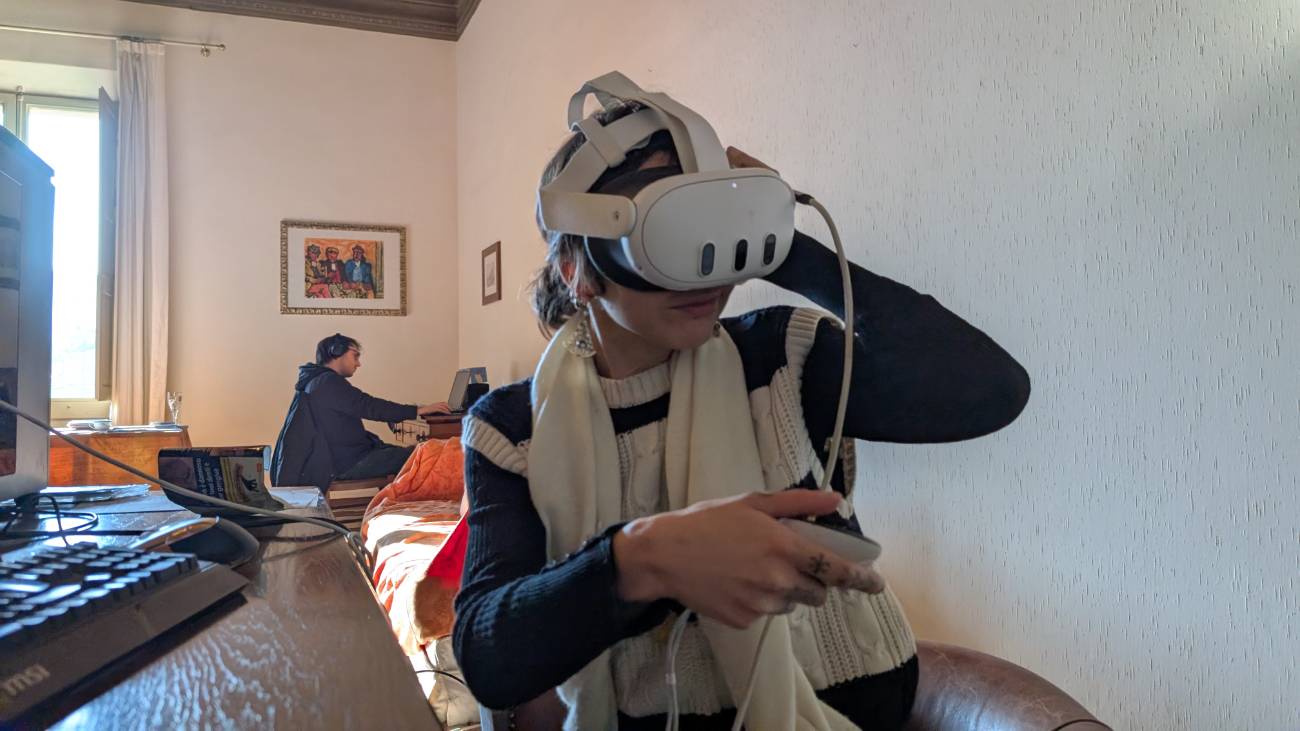
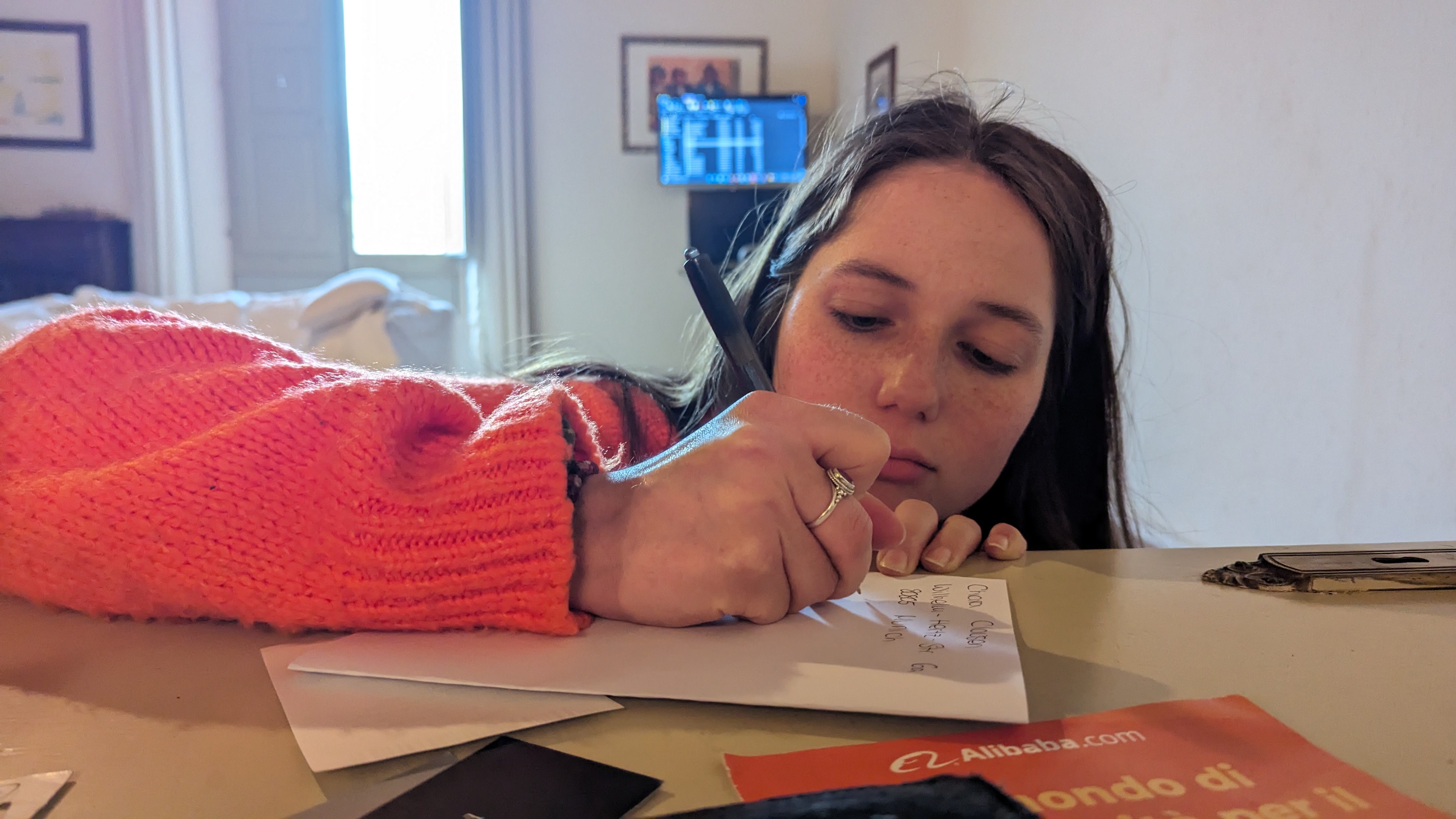
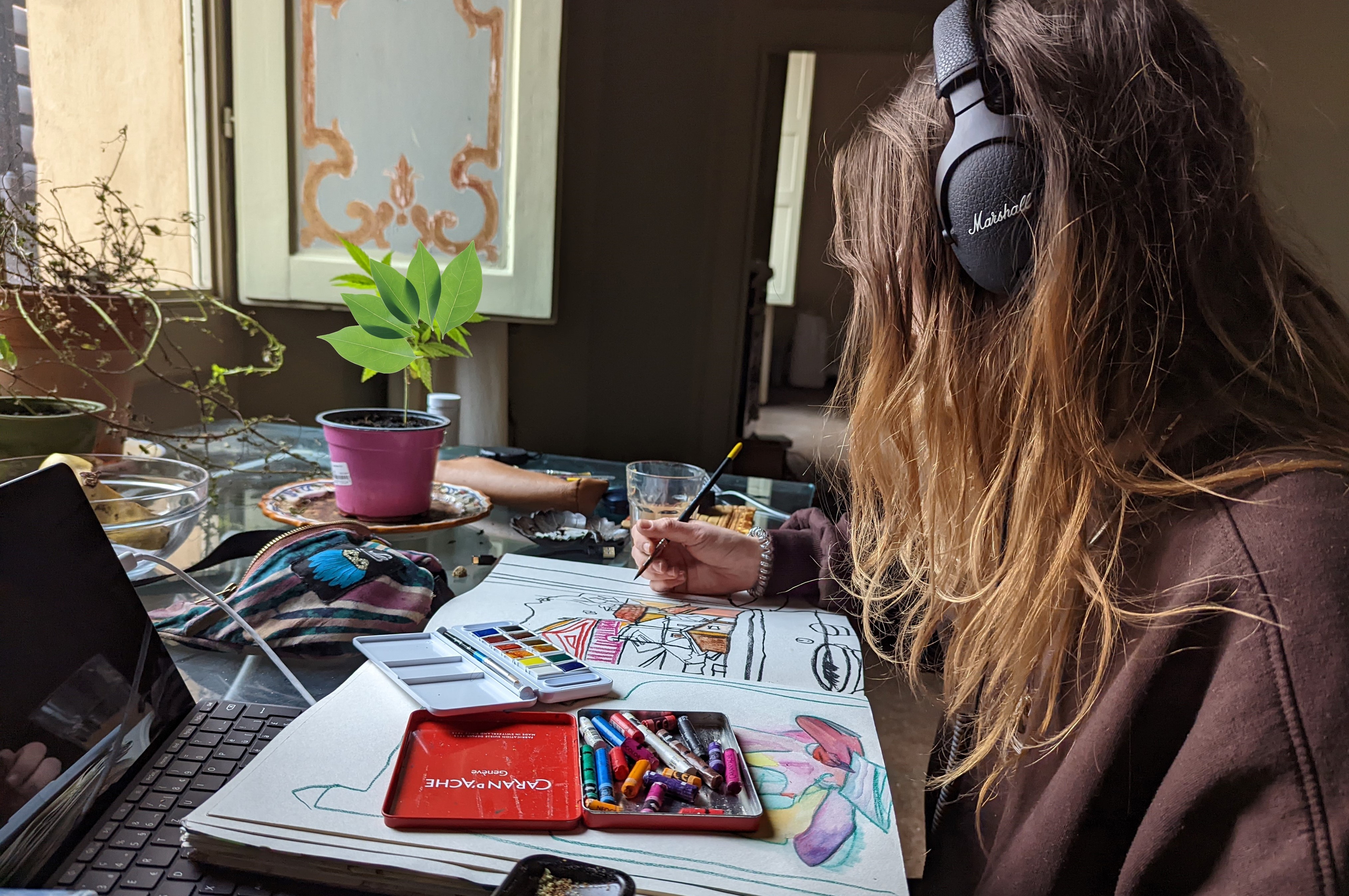
Headphones on, watercolours out — drawing the rooftops through the studio window.
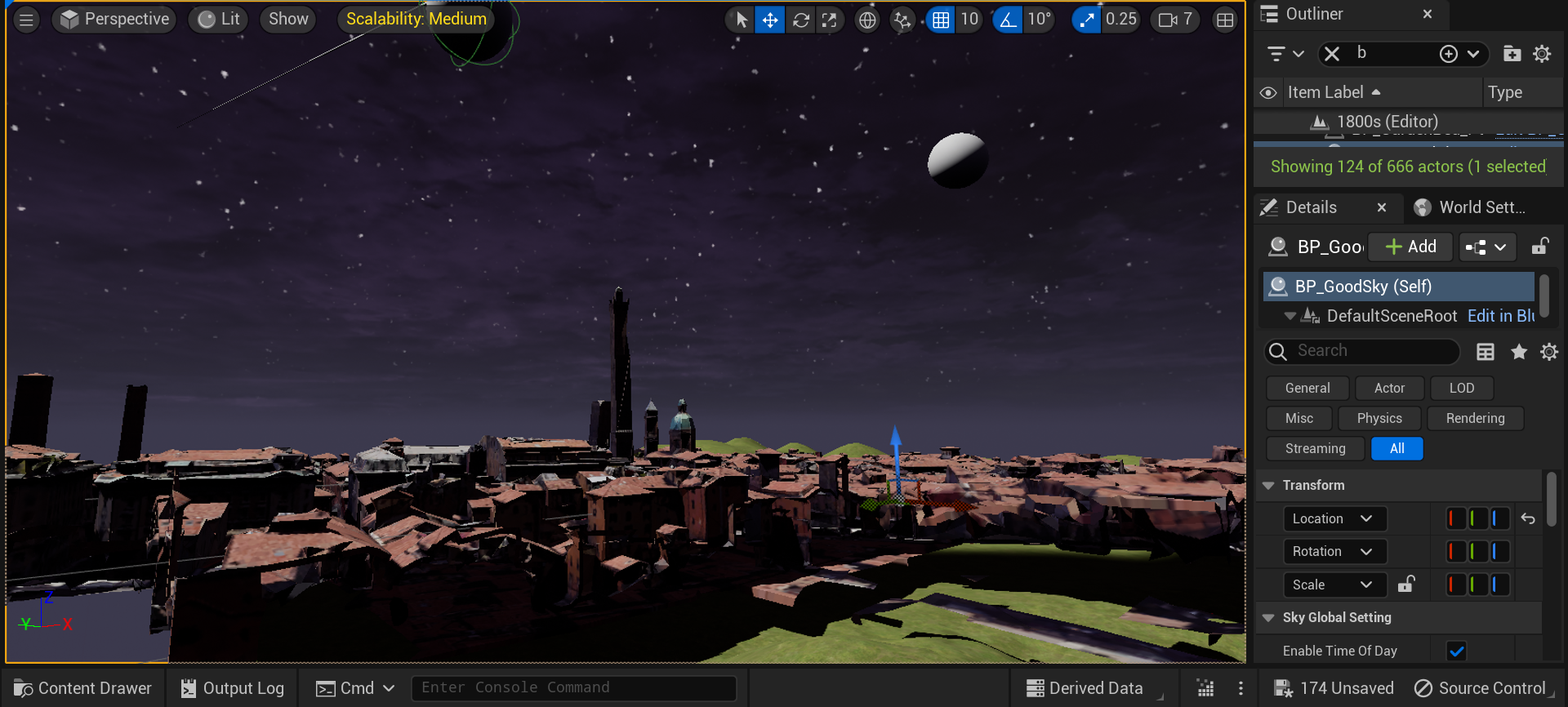
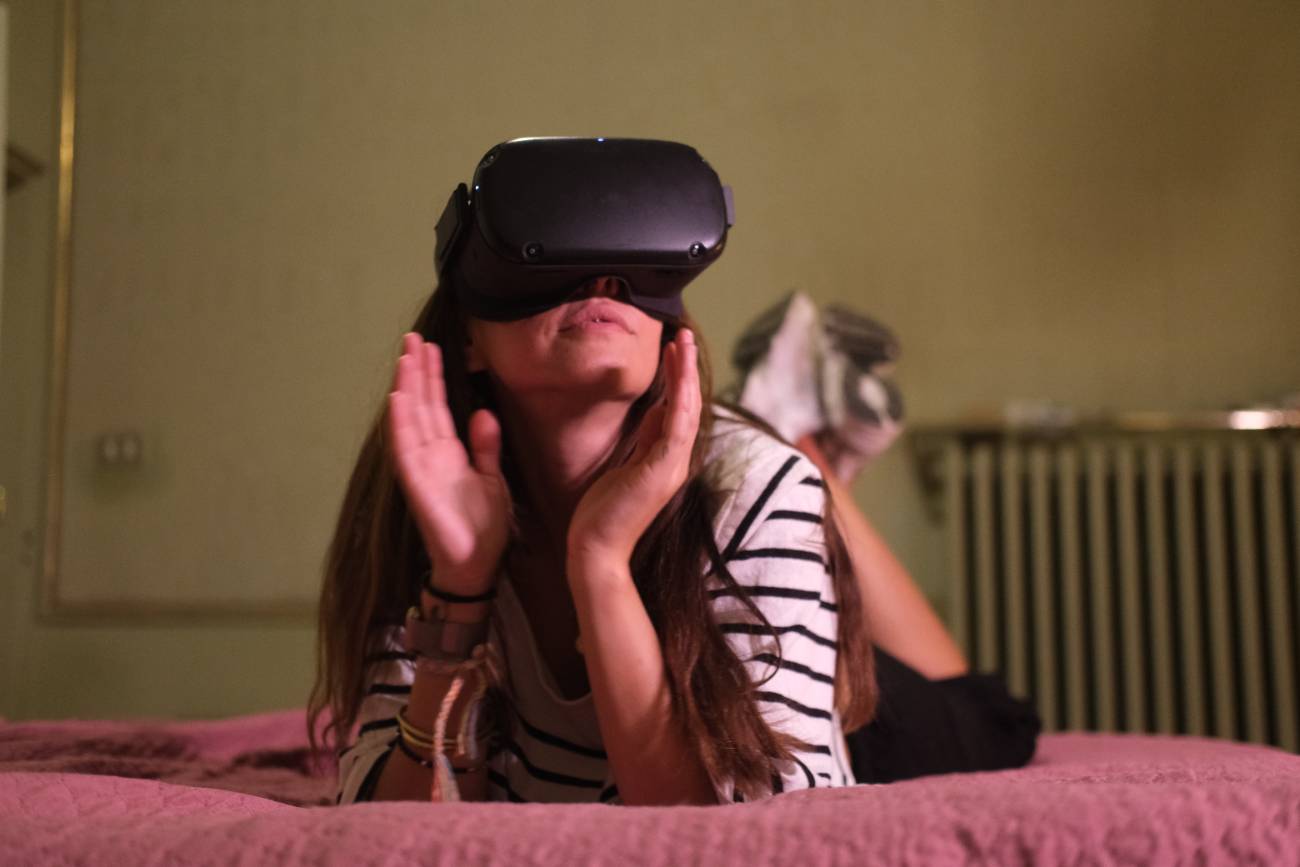
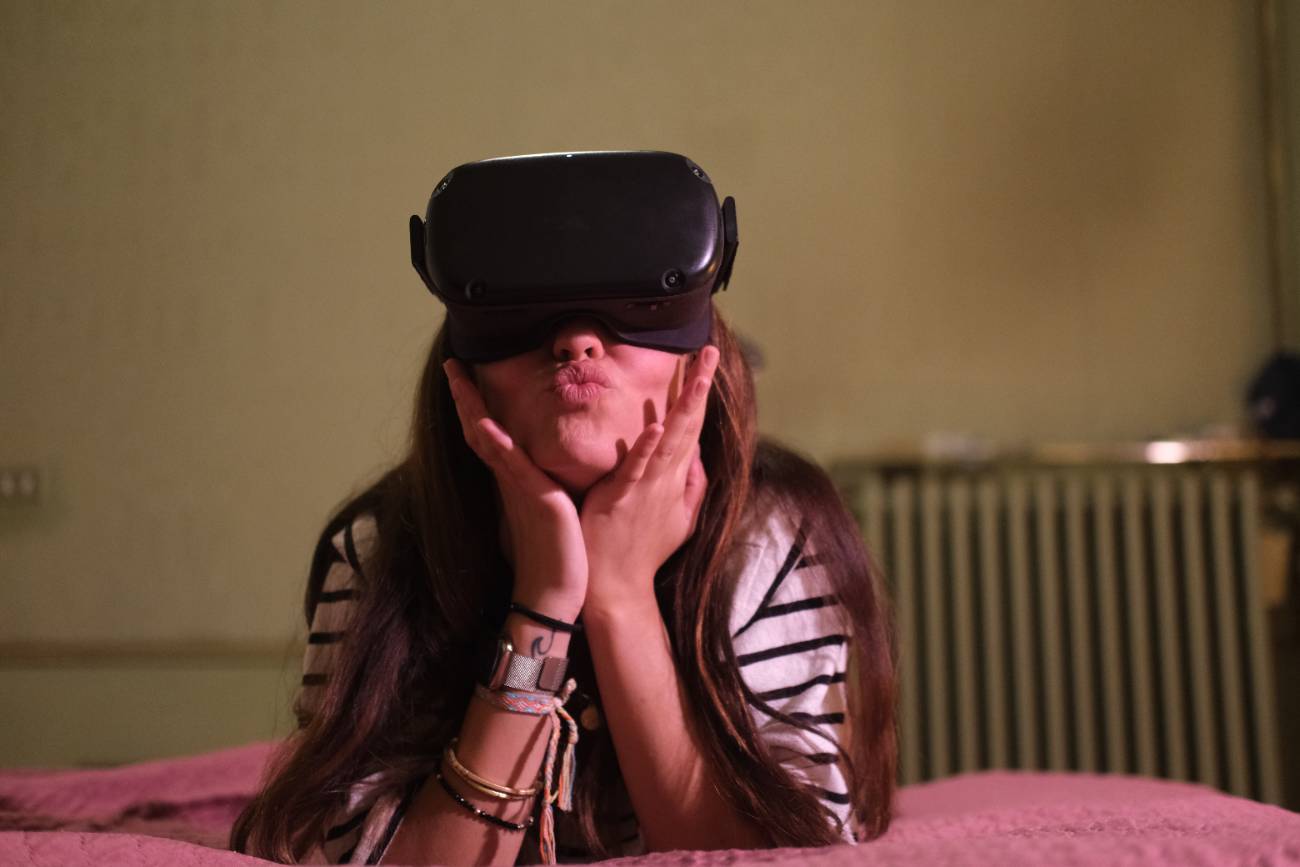
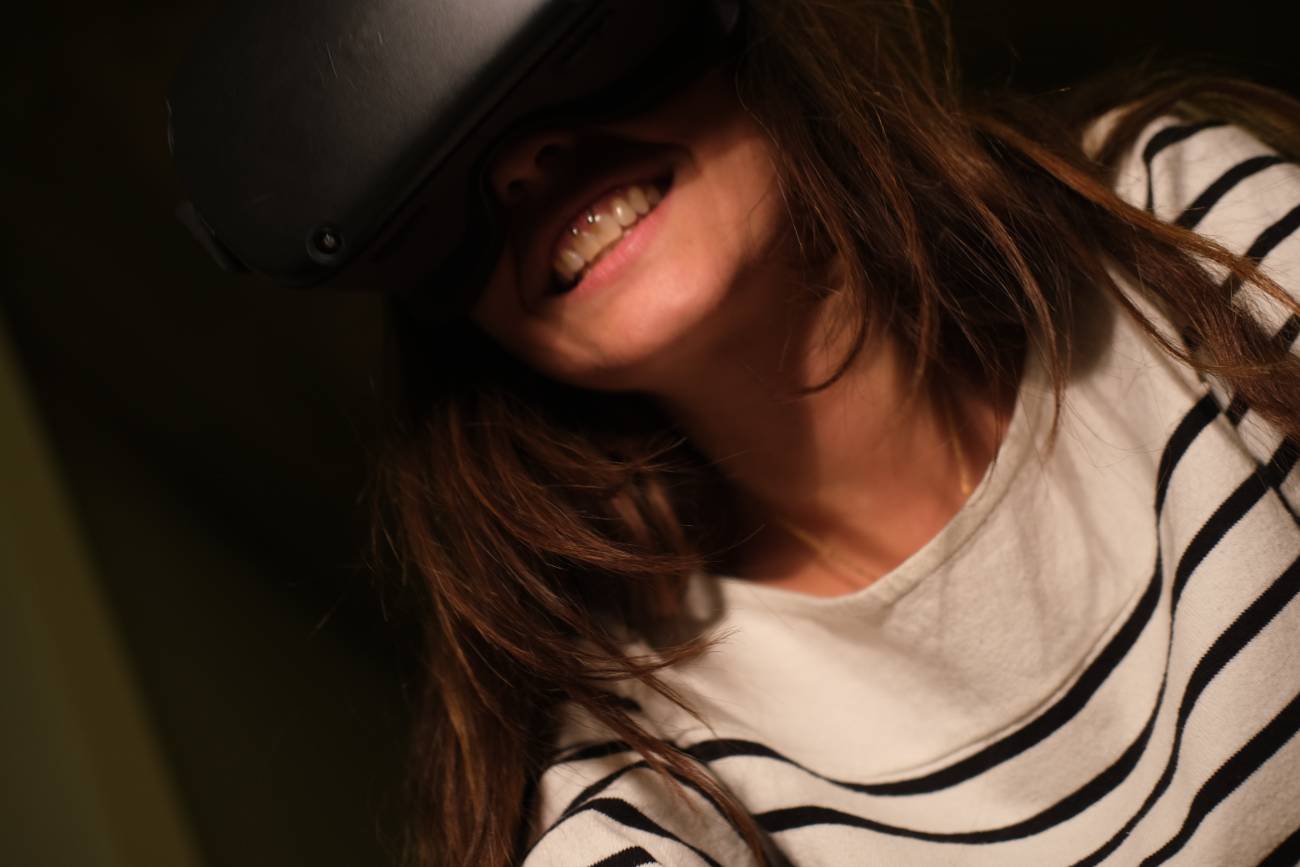
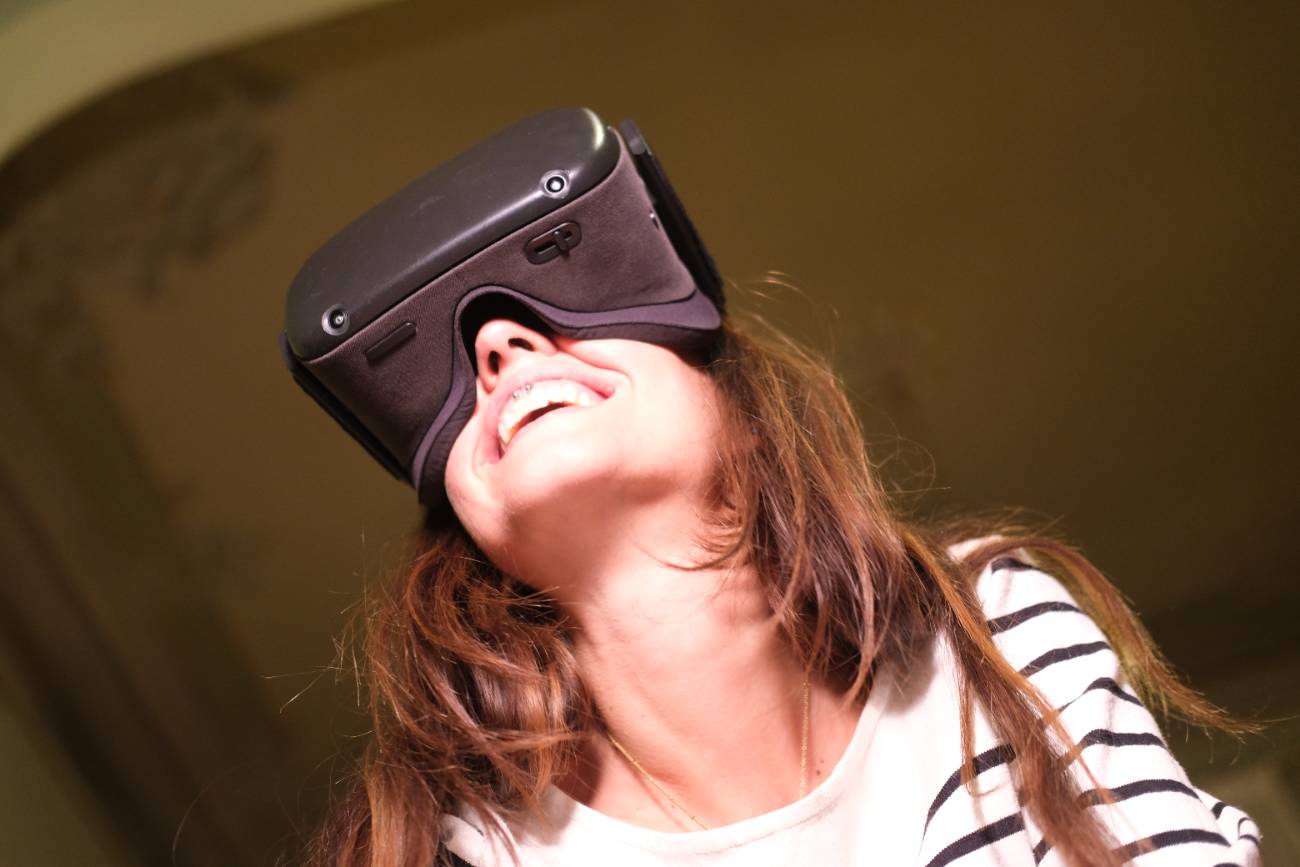
Long before Bologna was Bologna, it was Felsina — an Etruscan city laid out on this same rise of clay some 2,500 years ago, its dead buried beneath carved stones just past the walls. The Romans renamed it Bononia; the porticoes and leaning towers came later. But the water never moved.
Dig anywhere in the old centre and you strike it — brick-lined wells and cisterns sunk through every century of the city at once. The old octagonal pozzo in the cloister, a few doors from the studio, has been drawn from for the better part of two millennia: Etruscan, then Roman, then medieval hands on the same cold rope.
N0va's Italian room sits on top of all of it, on Via Barberia — four floors of frescoed ceiling above the street, two thousand years of the city below. Every frame rendered here is drawn, in its way, from that same well.